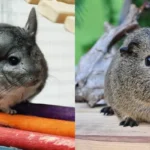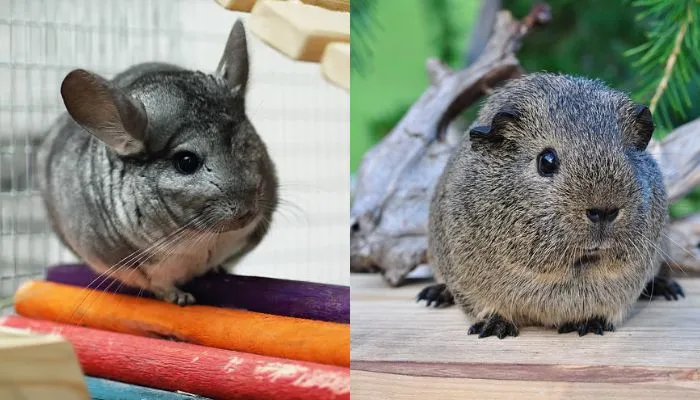
Here is the short answer: choose a chinchilla if you want a quiet, nearly odorless, long lived pet (10 to 20 years) and you can keep a cool room; choose a guinea pig if you want an affectionate, cuddly, daytime companion that suits families with children.
Both are wonderful small pets, but they fit very different homes, and this guide breaks down exactly which one fits yours.
I run a chinchilla site, so you might expect me to say the chinchilla wins everything. It does not. Guinea pigs genuinely beat chinchillas in several categories that matter, and pretending otherwise would just land the wrong pet in your home. Here is the honest comparison.
Chinchilla vs Guinea Pig: Quick Comparison Table
| Category | Chinchilla | Guinea Pig |
| Lifespan | 10 to 20 years | 5 to 8 years |
| Size | Around 9 to 14 inches with tail, 400 to 600 grams, slim and agile | 8 to 12 inches, 700 to 1,200 grams, no tail, stockier and heavier |
| Purchase cost | $80 to $400, depending on color | $40 to $60 |
| Temperament | Curious, quick, independent | Affectionate, gentle, sociable |
| Cuddliness | Low prefers sitting near you | High, most enjoy the lap time |
| Good with kids | Not ideal for young children | One of the best small pets for kids |
| Noise | Nearly silent | Vocal, famous wheeking squeals |
| Smell | Almost none | Noticeable if cage cleaning slips |
| Temperature needs | Strict, 60 to 70°F, overheats above 75°F | Flexible, comfortable at normal room temperatures |
| Cage style | Tall, multi level, vertical space for jumping | Wide, single level, floor space |
| Active hours | Dawn and dusk (crepuscular) | Daytime (diurnal) |
| Grooming | Self grooming plus dust baths, no brushing or nail trims | Nail trims monthly, brushing for long haired breeds |
| Diet quirk | Extremely strict hay based diet, no fresh produce | Needs daily vitamin C from fresh vegetables |
| Vet care | Exotic vet required | Small animal vets are more widely available |
Now, let us go category by category, with an honest winner for each.
Lifespan: Chinchilla Wins
A chinchilla routinely lives 10 to 15 years and can pass 20 with good care. A guinea pig averages 5 to 8 years. If you want a small pet that becomes a genuine long term companion, the chinchilla is in a different league.
But remember that longevity cuts both ways: two decades of cool rooms and care is a serious commitment, which we cover honestly in our chinchillas as pets pros and cons guide. For someone who wants a shorter, lighter commitment, the guinea pig’s lifespan is actually the practical choice.
Temperament and Cuddliness: Guinea Pig Wins
This is the biggest difference between the two, and the one most buyers underestimate. Guinea pigs are openly affectionate: most learn to enjoy lap time, being stroked, and daily handling, and they squeal with excitement when their people walk in.
Chinchillas are prey animals with a different personality. They are curious and playful, but on their own terms: trust takes months to build, most never enjoy being held tightly, and affection looks like sitting on your shoulder rather than cuddling in your arms. If you want a pet that visibly loves you back from early on, the guinea pig wins clearly.
Best Pet for Kids: Guinea Pig Wins
Guinea pigs are sturdy, calm, awake during the day, and tolerant of gentle handling, which makes them one of the best first pets for children.
Chinchillas are the opposite case: fragile ribs, lightning speed, a dislike of being grabbed, and a fur slip defense, where a startled chinchilla sheds a patch of fur to escape.
A chinchilla suits adults and calm teenagers. For a family with kids under 12, the guinea pig is the right answer, full stop.
Noise: Chinchilla Wins
Chinchillas are nearly silent, producing only soft chirps and the occasional cage thump. Guinea pigs are famously vocal: they wheek loudly for food, purr, rumble, and squeal, especially at breakfast time.
Many owners find the sounds charming, but in a small apartment, a shared bedroom, or a noise sensitive household, the chinchilla is by far the quieter housemate.
Smell: Chinchilla Wins
Chinchillas produce dry, odorless droppings, very little urine, and no body odor, making them one of the least smelly pets in existence.
Guinea pigs are not dirty animals, but they eat and drink far more, produce wetter waste, and their cages need much more frequent cleaning to stay fresh.
We break down the details in do chinchillas smell? If a fresh smelling home is a top priority, the chinchilla takes this category easily.
Housing and Temperature: It Depends on Your Home
Guinea pigs need floor space: a wide, single level enclosure with a solid floor, tunnels, and hideouts. Chinchillas need height: a tall, multi level cage with ledges for jumping, which we walk through in our chinchilla cage setup ideas.
The real dividing line is temperature. Chinchillas overheat above 75°F (24°C) and must live in a room kept between 60 and 70°F all year, which in hot climates means constant air conditioning. Guinea pigs are comfortable at ordinary room temperatures.
If you live somewhere hot without reliable cooling, the guinea pig is not just the better choice, it is the only responsible one.
Care, Grooming, and Diet: Roughly a Tie
Grooming actually favors the chinchilla. Despite the luxurious fur, chinchillas are self cleaning: they need a dust bath two to three times a week and nothing else, no brushing, no water baths, and their thin nails wear down naturally. Guinea pigs need monthly nail trims, and long haired breeds need regular brushing.
Diet favors the guinea pig for simplicity, the chinchilla for cost. A chinchilla’s diet is strict but simple: unlimited timothy hay, plain chinchilla pellets, water, and almost no treats, with no fresh produce (fresh fruit and vegetables cause digestive trouble in chinchillas).
Guinea pigs eat hay and pellets too, but they cannot produce their own vitamin C, so they need daily fresh vegetables like bell peppers and leafy greens, which adds a daily chore and a grocery cost. Neither species can eat the other’s pellets, just as neither should eat rabbit food, which we explain in can chinchillas eat rabbit food?
Vet care favors the guinea pig. Chinchillas are exotic pets that need an exotic vet, who may be far away and pricier per visit. Guinea pigs are common enough that most small animal vets treat them.
Cost: Guinea Pig Wins Upfront, Then It Evens Out
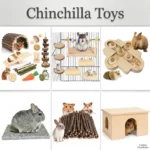
A guinea pig costs $40 to $60 to buy; a chinchilla costs $80 to $400, depending on color. Setup costs also favor the guinea pig slightly, since tall multi level chinchilla cages and quality chinchilla toys and dust supplies add up.
Ongoing monthly costs are similar for both: hay, pellets, and bedding, plus fresh vegetables for the guinea pig and bath dust for the chinchilla.
Factor in the chinchilla’s air conditioning in warm climates and its longer lifespan, and the chinchilla is the bigger total investment, even though the monthly costs match.
Can Chinchillas and Guinea Pigs Live Together?
No. They should never share a cage. They have different diets (a chinchilla eating vitamin C fortified guinea pig food, or a guinea pig missing its vitamin C, gets sick), different temperature needs, different activity hours, and no shared social language, which leads to stress and fighting.
If you want to keep both species, house them in separate cages, ideally in separate spaces, and give each a companion of its own kind if you want them to have social company.
Get a Chinchilla If…
- You are an adult or calm household without young children
- You can keep a room at 60 to 70°F year round
- You want a quiet, nearly odorless pet
- You want a companion for 10 to 20 years
- You are patient enough to earn trust over months
- Evening playtime suits your schedule
If that sounds like you, start with our baby chinchilla care guide to prepare properly.
Get a Guinea Pig If…
- You have children who want a pet they can hold
- You want open affection and daytime interaction
- Your home runs warm, or you cannot guarantee cooling
- You prefer a 5 to 8 year commitment
- You do not mind daily vegetables and some happy squealing
- You want easier access to vet care
Final Verdict
The chinchilla vs guinea pig question really comes down to one honest self assessment. If your home has children, runs warm, or wants a pet that cuddles from the start, get a guinea pig and do not look back.
If your home is calm and cool, and you want a quiet, spotless, endlessly entertaining companion for the next decade or two, the chinchilla is one of the most rewarding small pets you can own.
Whichever you choose, buy from a responsible breeder or adopt from a rescue, set up the habitat before the animal comes home, and commit to the species’ needs rather than hoping the animal adapts to yours. That single decision, made honestly, is what separates happy pet owners from regretful ones.
Frequently Asked Questions
Which is a better pet, a chinchilla or a guinea pig?
Neither is better overall; they suit different homes. A chinchilla is better for adults who want a quiet, clean, long lived pet and can provide a cool room. A guinea pig is better for families with children and anyone who wants an affectionate, cuddly, daytime companion.
Are chinchillas or guinea pigs better for kids?
Guinea pigs, clearly. They are sturdier, calmer, awake during the day, and tolerate gentle handling well. Chinchillas are fragile, fast, and dislike being grabbed, which makes them a poor match for young children.
Which is cheaper, a guinea pig or a chinchilla?
A guinea pig is cheaper to buy ($40 to $60 versus $80 to $400) and slightly cheaper to set up. Monthly costs are similar for both. Over a lifetime, the chinchilla costs more overall because it lives two to three times longer and may require air conditioning in warm climates.
Do chinchillas or guinea pigs smell worse?
Guinea pigs smell more. Chinchillas produce dry, odorless droppings and minimal urine, so a maintained chinchilla cage has almost no odor. Guinea pig cages need more frequent cleaning to stay fresh.
Can a chinchilla and a guinea pig share a cage?
No. Different diets, temperature needs, and activity schedules make sharing a cage unsafe and stressful for both animals. Keep them in separate enclosures if you own both.